
15 Influential TED Speakers & Their Signature Talks
Explore the most impactful TED talks that have shaped millions of minds worldwide. Each speaker brought unique insights that continue to inspire and educate audiences globally.
1. Sir Ken Robinson
”Do Schools Kill Creativity?” (2006)
.jpg/300px-Sir_Ken_Robinson_(cropped).jpg)
About the Talk: Sir Ken Robinson argues that traditional education systems suppress creativity rather than nurture it, calling for a fundamental shift in how we approach learning.
Key Insights:
- Creativity should be treated with the same status as literacy in schooling
- The best learning environments reduce conformity, embrace diversity and encourage risk
- We must redesign education systems to support human flourishing, not just standardized testing
Impact: Over 70 million views, making it one of the most-watched TED talks of all time.
2. Brené Brown
”The Power of Vulnerability” (2010)

About the Talk: Brown explores how embracing vulnerability, shame, and worthiness leads to stronger connections and wholehearted living.
Key Insights:
- Vulnerability isn’t weakness—it’s the birthplace of courage, creativity and connection
- Authenticity and empathy foster meaningful relationships and communities
- Organizations benefit when their cultures allow vulnerability, experimentation and learning from failure
Impact: Revolutionary research on shame, vulnerability, and human connection that changed how we view emotional intelligence.
3. Simon Sinek
”How Great Leaders Inspire Action” (2010)

About the Talk: Sinek introduces the “Golden Circle” model (Why → How → What) and shows why inspiring organizations start with a meaningful “why”.
Key Insights:
- People don’t buy what you do—they buy why you do it
- Leaders and organizations with clarity of purpose inspire loyalty, innovation and impact
- Framing messages around purpose (the “why”) rather than features delivers deeper resonance
Impact: One of the most influential leadership talks, fundamentally changing how we think about motivation and communication.
4. Amy Cuddy
”Your Body Language May Shape Who You Are” (2012)

About the Talk: Cuddy shows how non-verbal cues (posture, stance) influence not only how others see us, but how we see ourselves.
Key Insights:
- “Power posing” can boost confidence, improve performance and shift how we feel about ourselves
- Small changes in body language influence thoughts, feelings and behaviour
- Awareness of non-verbal communication is key to personal and professional presence
Impact: Sparked widespread discussion about the mind-body connection and practical confidence-building techniques.
5. Dan H. Pink
”The Puzzle of Motivation” (2009)

About the Talk: Pink challenges traditional reward-based models, arguing that autonomy, mastery and purpose drive high performance.
Key Insights:
- External rewards (carrots & sticks) often fail for complex tasks requiring cognitive effort
- Motivation thrives when people have control over their work (autonomy), are improving (mastery) and see meaning (purpose)
- Organizations can unlock performance by designing environments around these three pillars
Impact: Fundamentally changed how businesses think about employee motivation and performance management.
6. Chimamanda Ngozi Adichie
”The Danger of a Single Story” (2009)

About the Talk: Adichie examines how reductive narratives limit our understanding of people, culture and identity, advocating for diverse, authentic storytelling.
Key Insights:
- When we hear only a single story about another person or country, we risk misunderstanding and prejudice
- Diverse voices enrich our collective imagination and foster empathy
- Storytelling powerfully shapes societal norms, identity and change
Impact: Essential viewing for understanding bias, representation, and the power of narrative in shaping worldviews.
7. Hans Rosling
”The Best Stats You’ve Ever Seen” (2006)

About the Talk: He uses dynamic data visualization to challenge misconceptions about global development and show a more hopeful, accurate picture of the world.
Key Insights:
- The world is changing faster than we think, and data helps us see those changes clearly
- Visual storytelling can break through complexity and shift mindsets
- Assumptions about poverty, health and progress often lag behind reality—data can correct that
Impact: Transformed how we understand global development and the power of data visualization.
8. Susan Cain
”The Power of Introverts” (2012)

About the Talk: She argues that our culture often undervalues introverts and emphasizes the need to tap into their strengths.
Key Insights:
- Introversion is an asset, not a liability—many deep thinkers and innovators are introverts
- Environments (education, workplaces) must adapt to support both introverts and extroverts
- Valuing diverse personality types enriches creativity, collaboration and inclusion
Impact: Started a cultural conversation about introversion and workplace diversity.
9. Tim Urban
”Inside the Mind of a Master Procrastinator” (2016)

About the Talk: He uses humor and metaphor to reveal how procrastination works and how we can confront our inner “Panic Monster”.
Key Insights:
- Procrastination isn’t just laziness—it’s the result of over-valuing short-term comfort and under-valuing long-term impact
- Awareness of internal mental models (e.g., instant-gratification monkey vs panic monster) helps manage delay and distraction
- Building habits and deadlines that align with meaning and goals curbs procrastination
Impact: Made complex psychology accessible through engaging storytelling and humor.
10. Kelly McGonigal
”How to Make Stress Your Friend” (2013)

About the Talk: She reframes stress from being harmful to being helpful when we change how we think about it and connect with others under pressure.
Key Insights:
- Stress is not always the enemy—your mindset about stress matters more than the stress itself
- Viewing stress as a signal that we care can transform its physiological effects and outcomes
- Connection (seeking support, helping others) during stress boosts resilience and meaning
Impact: Revolutionized how we understand the relationship between stress and health.
11. Jill Bolte Taylor
”My Stroke of Insight” (2008)

About the Talk: A neuroscientist recounts her personal experience of a stroke and how it shifted her understanding of self, brain and recovery.
Key Insights:
- Our brain’s right hemisphere offers a different experience of identity and connection than the left
- Trauma can be a catalyst for profound insight, transformation and purpose
- Science and storytelling can combine to make complex neurological concepts accessible
Impact: Pioneered understanding of brain plasticity and the power of personal narrative in science communication.
12. Mary Roach
”10 Things You Didn’t Know About Orgasm” (2009)

About the Talk: She delivers a humorous yet scientific exploration of human sexuality and biology.
Key Insights:
- Serious science can be accessible, entertaining and enlightening
- Human biology retains mystery—and curiosity is a powerful motivator for learning
- Humor and bold topics can spark engagement and broaden audiences
Impact: Demonstrated how humor can make taboo scientific topics accessible and engaging.
13. Steve Jobs
”How to Live Before You Die” (2005)
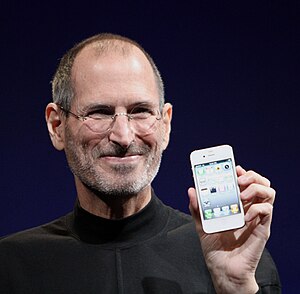
About the Talk: In a commencement speech-style talk, he shares lessons from his life, career, and mortality.
Key Insights:
- Follow your passions, because time is limited
- Failure and setbacks can lead to meaning and innovation
- Your personal authenticity can shape the impact of your work and life
Impact: One of the most quoted graduation speeches, inspiring millions to pursue meaningful work.
14. Julian Treasure
”How to Speak So That People Want to Listen” (2013)

About the Talk: He presents how vocal habits, presence and listening skills influence communication effectiveness.
Key Insights:
- The way we use our voice and listening shapes how our ideas are received
- Technique, practice and awareness can make spoken communication more persuasive, clear and memorable
- Amplifying voice isn’t just about volume—it’s about meaning and connection
Impact: Transformed how we understand the mechanics of effective communication.
15. Tony Robbins
”Why We Do What We Do” (2006)

About the Talk: A motivational speaker exploring the hidden forces that shape our decisions and behaviors.
Key Insights:
- Human behavior is driven by emotional needs and meaning, not merely rational calculations
- Understanding what drives us can unlock change, growth and fulfillment
- Inspiring others begins with insight into how people make decisions and what they care about
Impact: Brought psychological insights about motivation to mainstream audiences worldwide.