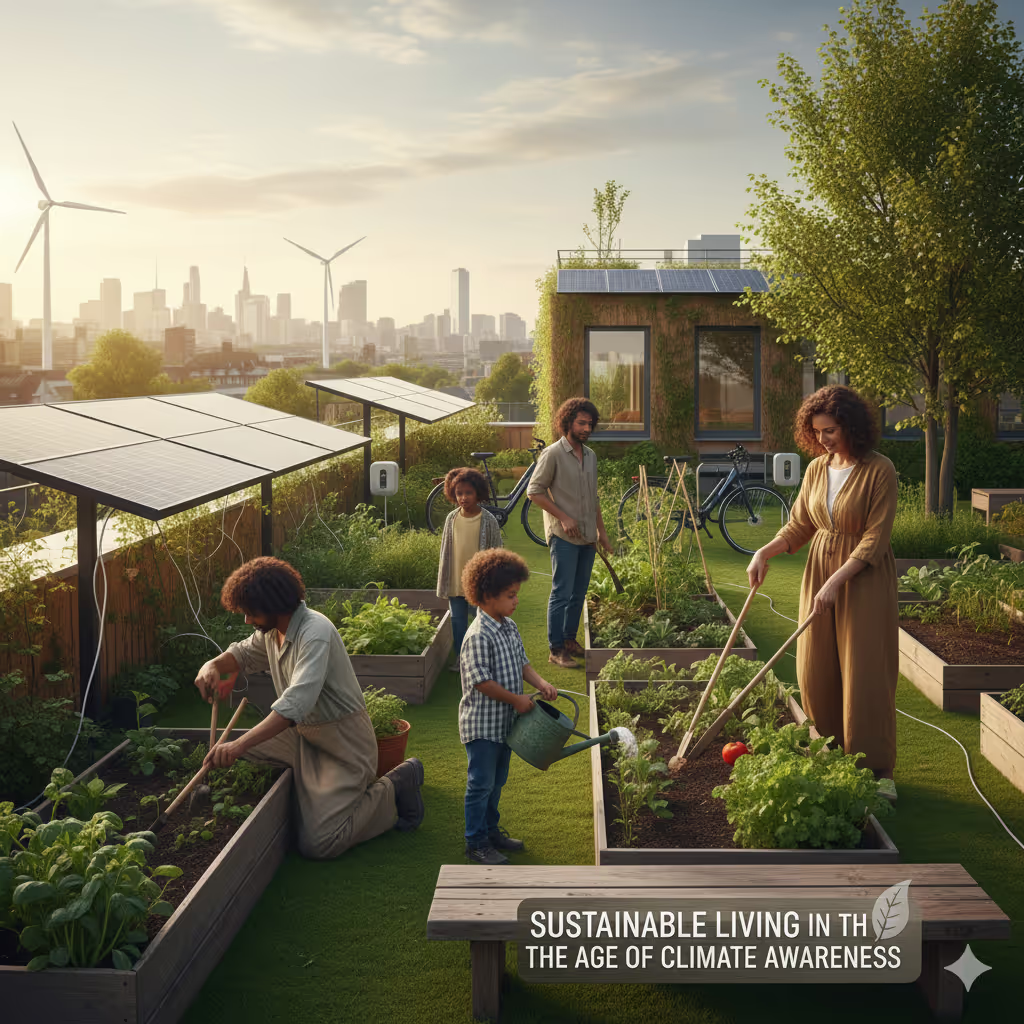
Climate change is one of the defining challenges of the 21st century. As the planet faces rising temperatures, resource depletion, and biodiversity loss, adopting sustainable lifestyles has become more critical than ever. Sustainable living is not just a personal choice—it’s a collective responsibility that can influence societal behavior, environmental policies, and the future of our planet.
Understanding Sustainable Living
Sustainable living involves making choices that reduce your ecological footprint while maintaining a high quality of life. This includes conserving resources, reducing waste, and supporting practices that protect ecosystems.
-
Reducing Carbon Footprint
Individuals can minimize their environmental impact by consuming less energy, choosing renewable sources, and reducing reliance on fossil fuels. Simple steps like walking, cycling, or using public transport contribute significantly to carbon reduction. -
Waste Reduction and Recycling
Practices like composting, minimizing single-use plastics, and promoting recycling help preserve natural resources. Sustainable consumption focuses on quality over quantity, emphasizing durability, repair, and reuse.
Sustainable Practices at Home
Home is where sustainable change begins. By making eco-friendly choices in daily routines, households can set an example for communities.
-
Energy Efficiency
Using energy-efficient appliances, LED lighting, and smart thermostats not only saves money but also reduces energy consumption. Solar panels and small-scale renewable energy setups further contribute to sustainable living. -
Water Conservation
Simple measures like fixing leaks, using water-efficient fixtures, and collecting rainwater can drastically reduce water usage, preserving this vital resource for future generations.
Community and Global Impact
Individual actions are amplified when combined with community initiatives and global movements. Sustainability is both local and global.
-
Community Gardens and Urban Green Spaces
Community-driven projects like urban gardens, tree planting, and green rooftops foster local biodiversity and strengthen social bonds. These projects also create awareness about sustainable practices. -
Supporting Sustainable Businesses
Choosing products from environmentally conscious brands encourages corporate responsibility. Ethical consumption supports businesses that prioritize renewable materials, fair labor practices, and minimal environmental impact.
Technology and Innovation in Sustainability
Technology plays a key role in enabling sustainable living, from smart home solutions to innovative recycling systems.
-
Smart Energy Management
IoT devices and AI-driven platforms help monitor energy use, optimize consumption, and suggest eco-friendly alternatives, making sustainable living more convenient and effective. -
Circular Economy and Upcycling
Innovations in recycling and upcycling transform waste into new products, reducing landfill use and promoting a circular economy. Startups and local initiatives are pioneering solutions that combine creativity with sustainability.
The Ripple Effect of Conscious Choices
Every sustainable choice creates a ripple effect. From inspiring neighbors to influencing policy, individual actions can collectively drive significant change. Education and awareness are key to motivating broader adoption of sustainable practices.
Conclusion
Sustainable living is not just an environmental imperative—it is a path toward a healthier, more equitable, and resilient society. By embracing eco-friendly habits, supporting sustainable communities, and leveraging technology, we can mitigate climate change and protect the planet for generations to come. TEDxNCIT encourages everyone to explore sustainable living as a daily practice, where small choices accumulate into global impact.